




















Products
It's all about the experience.
Explore our products, which help you build and manage networks for the next generation and provide users and devices with the best possible experiences.
Cloud Services
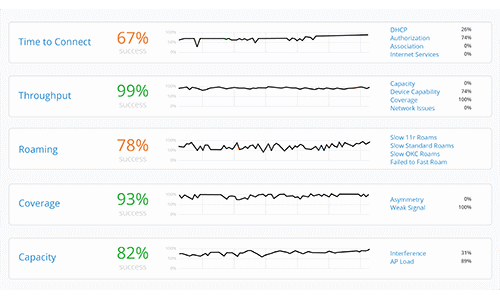
Juniper enables your business to scale elastically while minimizing capital investment through our modern cloud services that span the network and security domains.
Data center networking

Build data center spine-and-leaf networks with solutions that provide industry-leading throughput and scalability. Leverage an extensive routing stack, the open programmability of Junos OS, automation, and a broad set of EVPN-VXLAN and IP fabric capabilities.
Switches

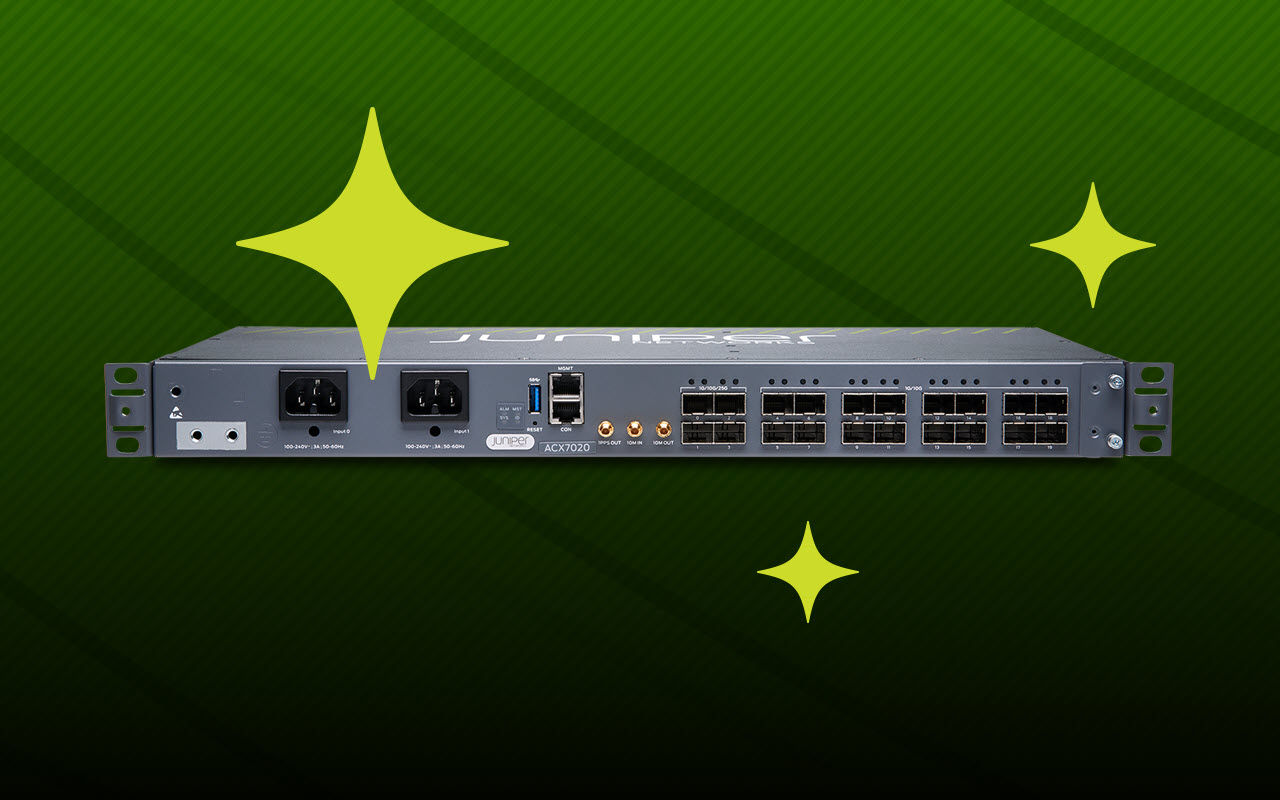
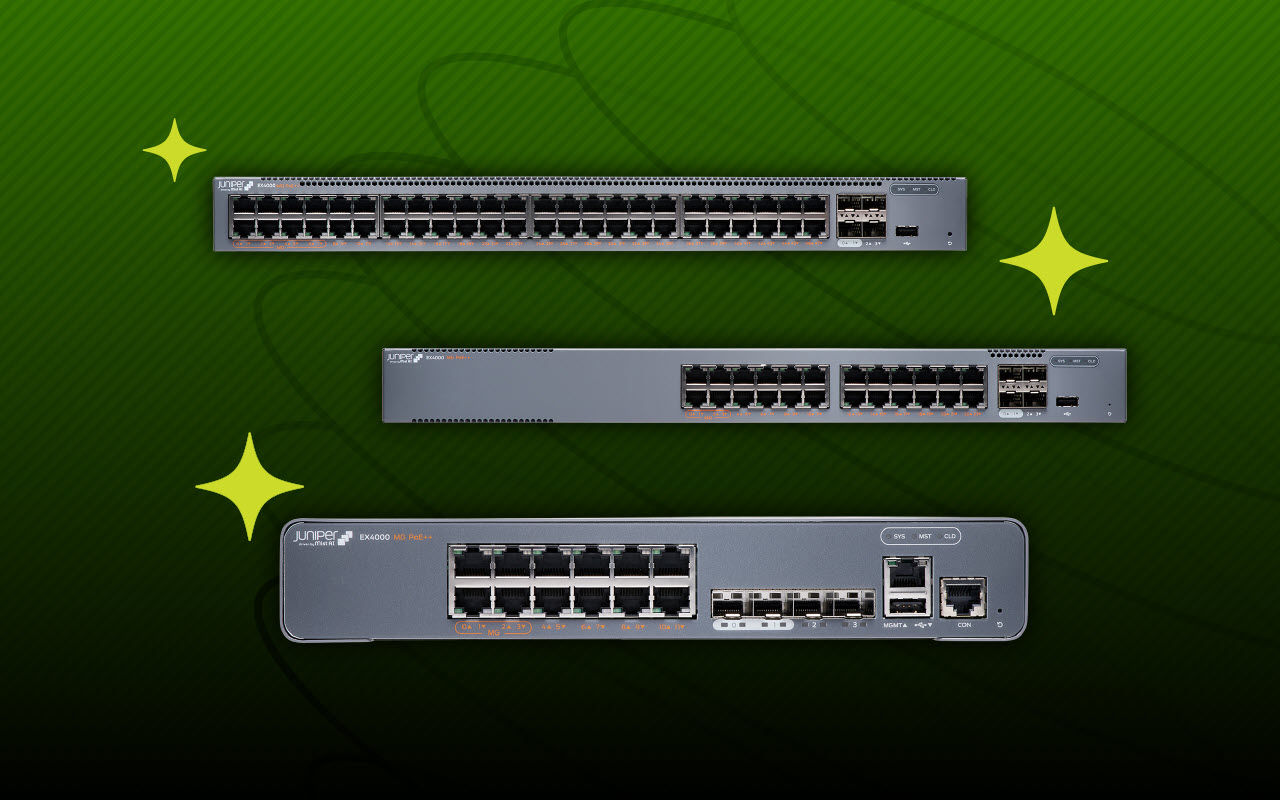
Improve the economics of networking with cloud-grade, high-density ethernet switching across your data center, campus, and branch.
Network Operating System

Junos operating system runs routing, switching, and security over the Juniper Networks high-performance network infrastructure.
Network automation
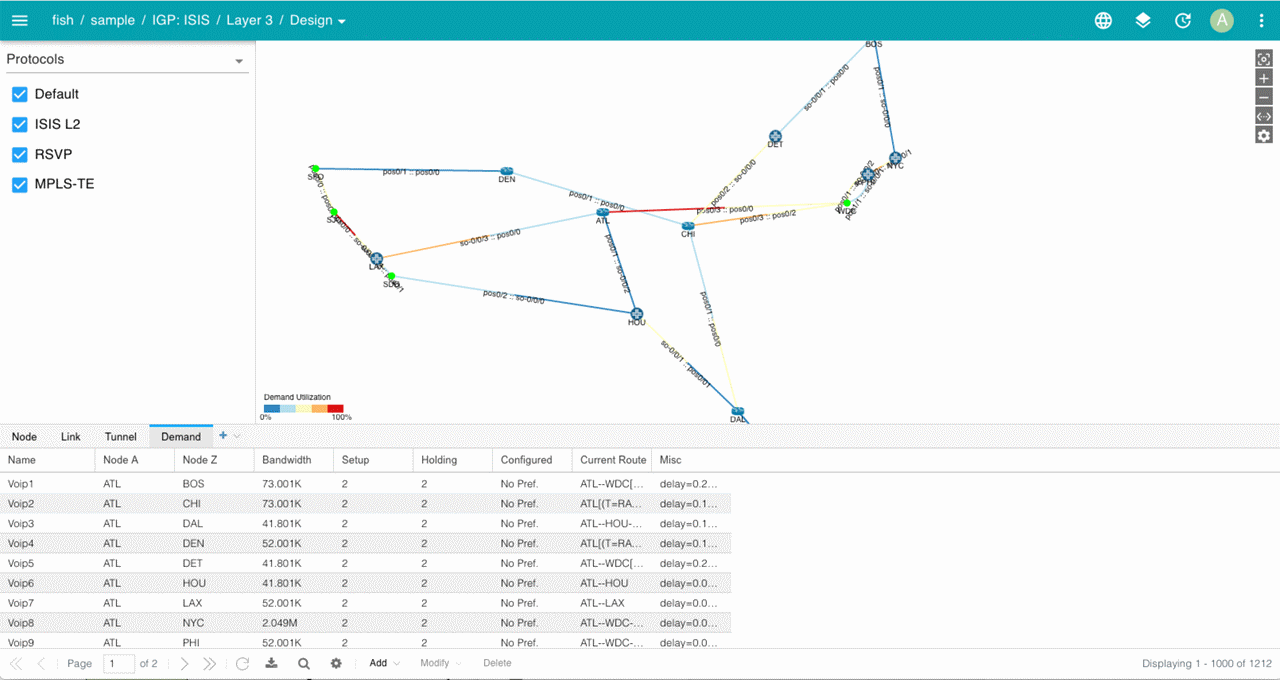
Juniper’s automation-led approach to networking simplifies and accelerates WAN and data center planning, design, and operations for more reliable and sustainable network services.
Optics
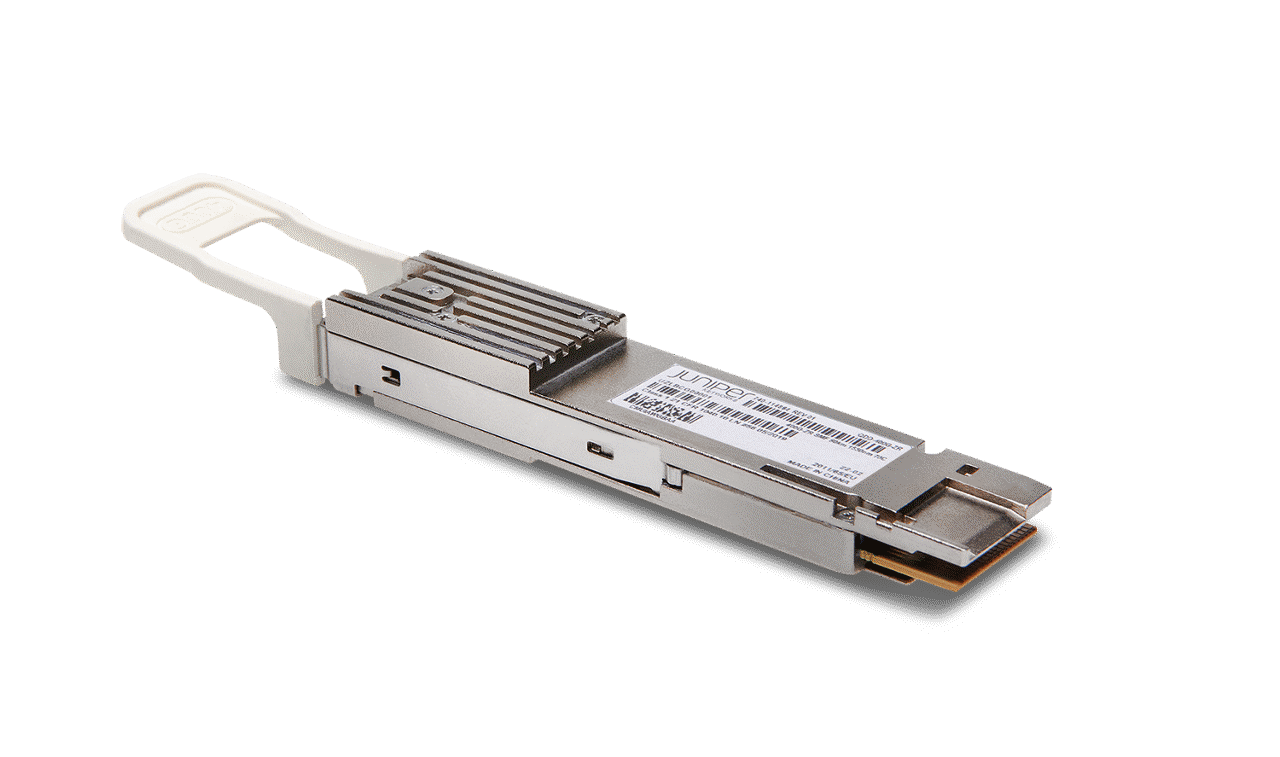
Juniper offers a complete portfolio of standards-compliant optics, including direct-detect and coherent optical transceivers, application-specific pluggables, and optical and electrical cables. Our broad portfolio of standards-compliant optics delivers leading performance and operational simplicity for deployments across WAN, data center, and enterprise networks.
Routers
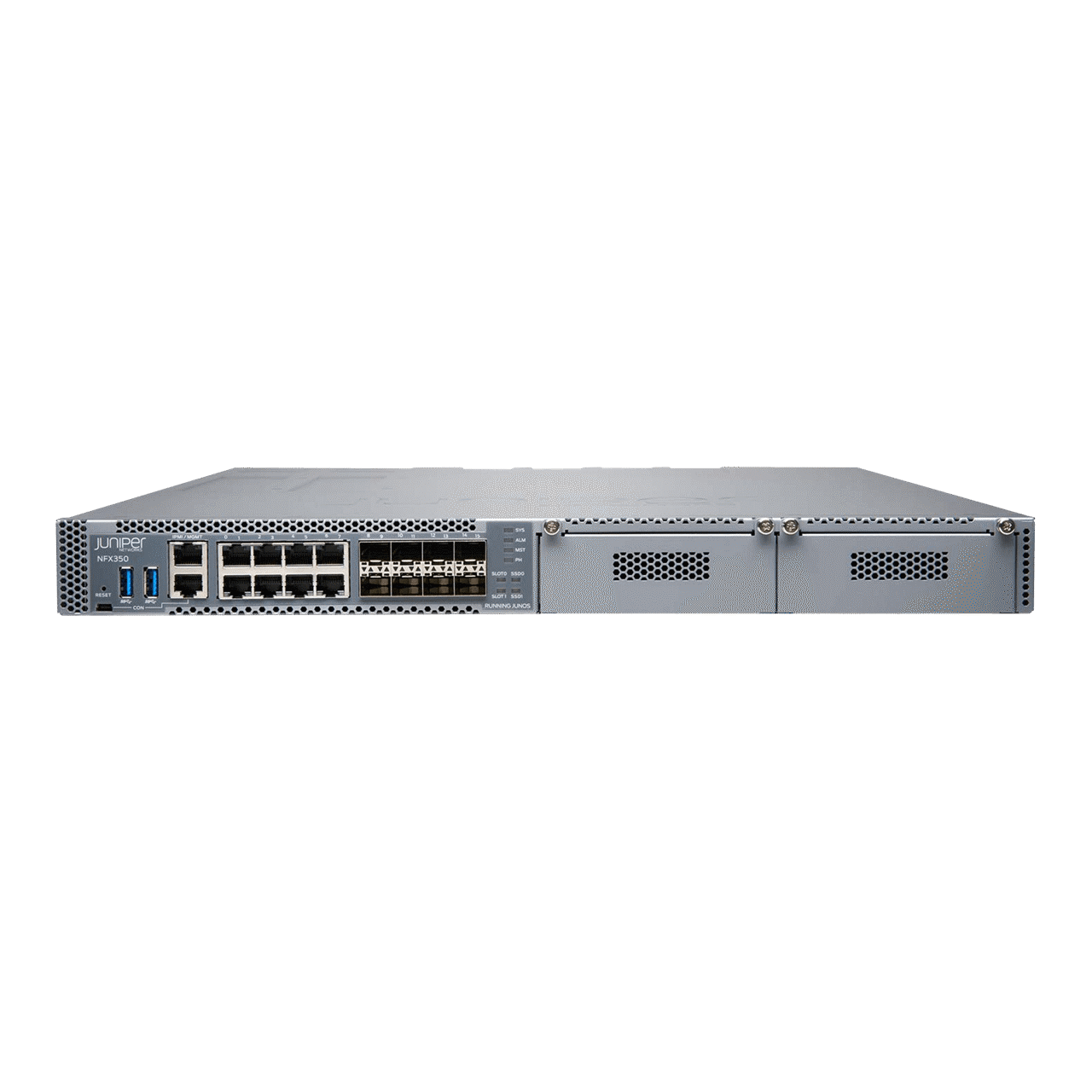
Dramatically improve your operational experience with the industry’s most scalable, programmable, and resilient routers. Juniper’s comprehensive portfolio of best-of-breed routers offer unparalleled capacity, agility, and operational consistency, delivering the end-to-end automation required for service-aware networks that power today’s hyperconnected world.
SDN and Orchestration
Future-proof for the multicloud era with open SDN solutions that provide abstracted control, automated workflows, and security.
Security
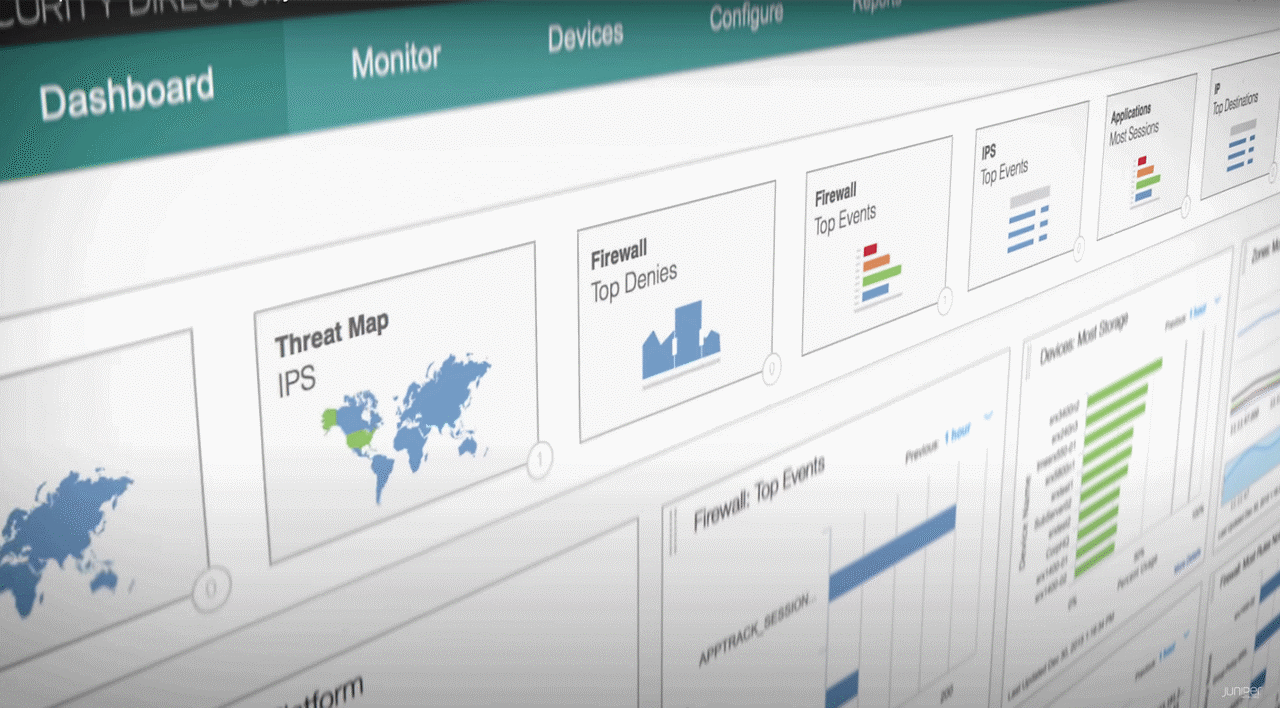
Juniper security products offer threat detection, enforcement, and remediation through a comprehensive portfolio. Our Next-Generation Firewalls (NGFWs), advanced threat prevention, threat intelligence, security orchestration, management, and analytics extend security across every point of connection across the network.
Software

Our software is built to simplify and automate their processes: from initial ideation to deployment to on-going operations. And we do this by delivering best in class software for best in class platforms - physical, virtual, or cloud.
Wireless access points
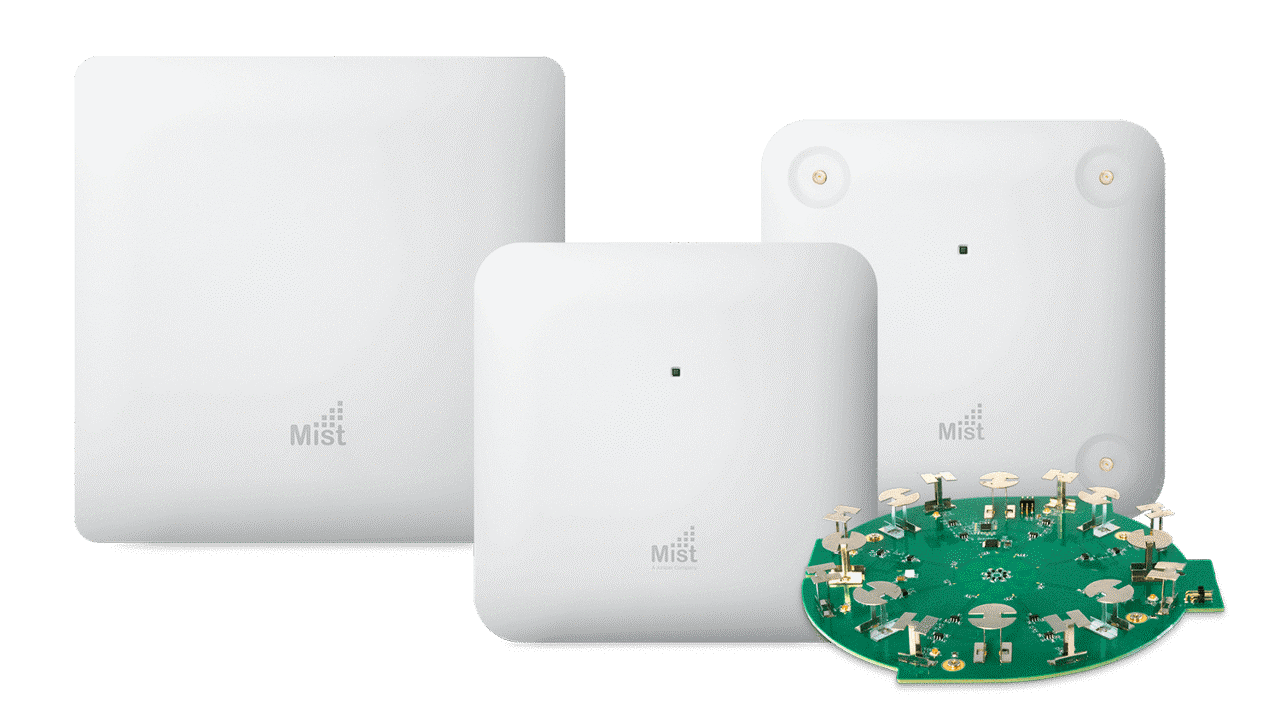
Juniper is leading the convergence of Wi-Fi, Bluetooth® LE, and IoT with our access points (APs). Juniper APs work seamlessly with the Juniper Mist cloud architecture and Marvis AI, enabling near-real-time metadata collection and analysis from all wireless clients.
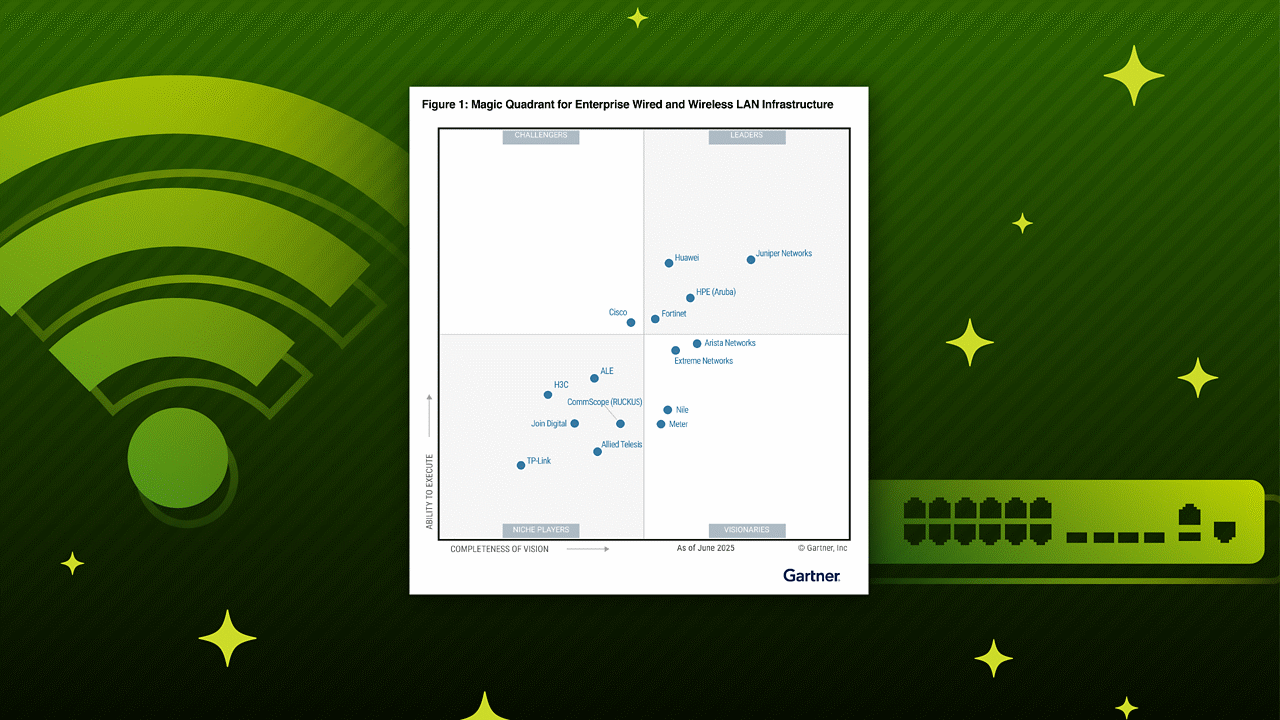
A Magic Quadrant Leader
Live Events and On-Demand Demos
Gartner Magic Quadrant for Enterprise Wired and Wireless LAN Infrastructure, Tim Zimmerman, Christian Canales, et al., 6 March 2024
GARTNER is a registered trademark and service mark of Gartner, Inc. and/or its affiliates in the U.S. and internationally, and MAGIC QUADRANT is a registered trademark of Gartner, Inc. and/or its affiliates and are used herein with permission. All rights reserved.
Gartner does not endorse any vendor, product or service depicted in its research publications, and does not advise technology users to select only those vendors with the highest ratings or other designation. Gartner research publications consist of the opinions of Gartner’s research organization and should not be construed as statements of fact. Gartner disclaims all warranties, expressed or implied, with respect to this research, including any warranties of merchantability or fitness for a particular purpose.
Juniper Networks is recognized as Juniper in the 2024, 2022, and 2021 Magic Quadrant for Enterprise Wired and Wireless LAN Infrastructure reports